

Sticking Doors During Summer: When Door Repair or Replacement Makes Sense
Learn when door repair is enough and when replacing a sticking door makes more sense.
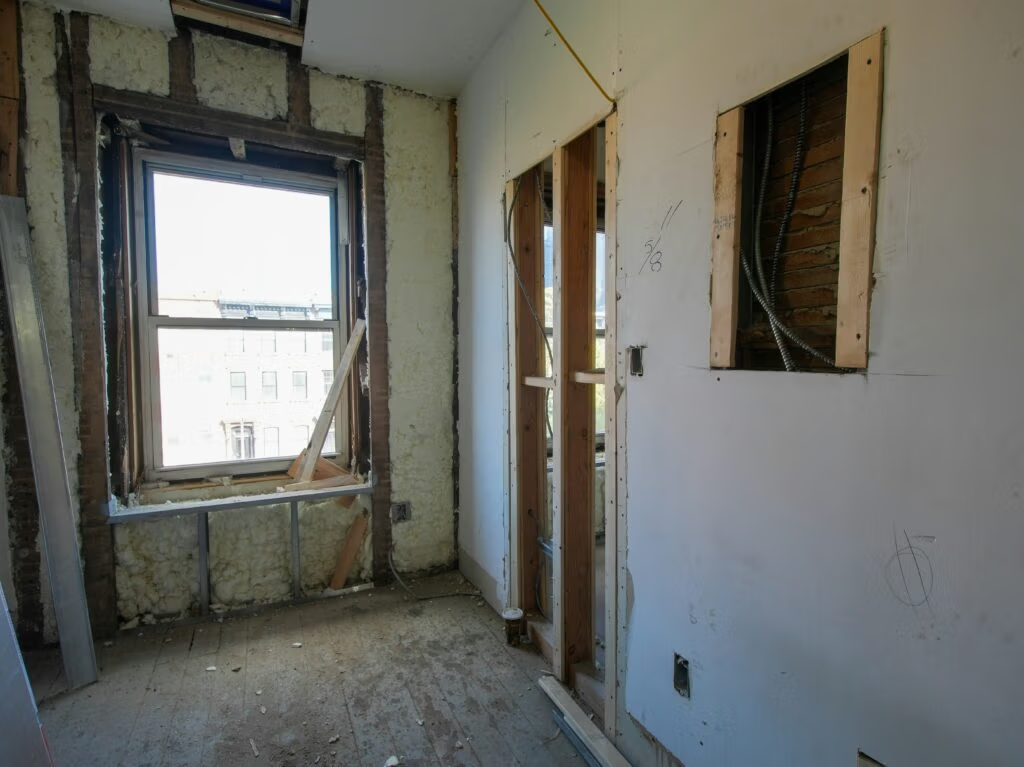
Drywall is designed to provide a smooth, durable finish throughout the home, but it’s also one of the first places where small problems begin to appear. Cracks, stains, or surface imperfections often develop gradually, making them easy to dismiss as normal wear. In many cases, however, drywall acts much like a warning light, it doesn’t always tell you exactly what’s wrong, but it can be the first visible sign that something behind the finished surface has changed.
Recognizing drywall damage early helps homeowners protect both the appearance and long-term condition of their homes. It also gives the contractor a clearer understanding of whether walls are ready for new finishes, trim, or other interior improvements. Whether the goal is routine maintenance or a larger renovation, understanding what drywall damage is telling you is an important first step.
Not every crack, dent, or stain points to a serious issue, but drywall damage should never be viewed in isolation. Because drywall covers much of a home’s interior, it often becomes the first visible indicator that something behind the wall or above the ceiling has changed.
A moisture stain, for example, may seem like nothing more than a cosmetic blemish. In reality, it often appears only after moisture has been present long enough to affect the drywall surface, making the stain one of the first visible clues rather than the problem itself. Left unresolved, the same moisture can continue affecting insulation, framing, flooring, or nearby finishes long after the stain has been painted over.
The same principle applies to cracks. A hairline crack that remains unchanged for years is very different from one that gradually widens or repeatedly returns after repairs. Paying attention to how drywall damage changes over time often provides more useful information than the damage itself.
One of the most common mistakes homeowners make is repairing only the visible surface without identifying what caused the damage in the first place. While patching a crack or repainting a stain may temporarily improve appearance, the same issue is likely to return if the underlying cause remains unresolved. Taking the time to understand why drywall damage occurred often leads to longer-lasting repairs while helping avoid unnecessary repeat work.
Addressing drywall damage early also creates a stronger foundation for future improvements. Projects such as interior painting, decorative wall finishes, or trim carpentry all depend on smooth, stable surfaces to achieve a professional and long-lasting result.
Drywall often reveals problems before other interior finishes do. A crack or stain doesn't automatically mean major repairs are needed, but changes that continue over time are usually worth evaluating before simply patching the surface.

Drywall damage can appear in several different ways, and not every imperfection requires the same response. Understanding the most common warning signs helps homeowners distinguish between normal wear and conditions that may deserve a closer look.
Hairline cracks are relatively common as homes naturally settle over time, particularly around doors, windows, and ceiling joints where movement is more noticeable. While a single, thin crack is often part of a home’s normal aging process, it’s the pattern and behavior of the crack that matter most.
A crack that gradually widens, branches outward, or repeatedly returns after previous repairs deserves more attention than one that has remained unchanged for years. Rather than patching the same area over and over, it’s often worthwhile to determine whether the damage is simply cosmetic or related to movement occurring beneath the finished surface.
Nail pops appear as small circular bumps where drywall fasteners gradually push toward the finished surface. This commonly happens as framing lumber expands and contracts with seasonal changes in temperature and humidity.
An isolated nail pop is usually straightforward to repair, but several appearing throughout the same room within a short period may suggest more widespread movement. Looking at the overall pattern, not just an individual fastener, can provide a better understanding of whether the issue is routine or worth monitoring.
Brown, yellow, or dark stains are among the clearest signs that drywall deserves closer attention. Many homeowners focus on removing the stain itself, but discoloration is often the result of moisture that has been present long enough to affect the drywall surface.
Leaks from plumbing, roofing, or condensation frequently leave visible staining before other signs become obvious. By the time drywall begins changing color, it’s worth identifying where the moisture originated before planning cosmetic repairs. Addressing the source first helps ensure the repair lasts rather than allowing the same damage to reappear beneath fresh paint. The U.S. Environmental Protection Agency’s guidance on moisture control provides additional information on why identifying moisture sources is an essential first step before completing interior repairs.
Drywall should remain firm and maintain a consistent surface. Unlike surface scuffs or small dents, drywall that feels soft when pressed is often indicating that the material itself has begun to deteriorate rather than simply showing cosmetic wear.
Bubbling paint, swollen drywall, or soft areas are commonly associated with prolonged moisture exposure. If left unaddressed, these conditions may continue affecting nearby building materials, making future repairs more involved than they would have been if identified earlier. Prompt evaluation also helps ensure walls are properly prepared before drywall repair, painting, or other interior improvements.
Understanding what caused the damage is just as important as repairing the drywall itself. While some imperfections result from everyday wear, others may indicate conditions that should be addressed before cosmetic repairs begin.
Natural settling is one of the most common causes of drywall damage, particularly as homes gradually adjust over time. Seasonal changes in temperature and humidity also cause framing materials to expand and contract, placing stress on drywall joints and fasteners. In many cases, these changes are completely normal. The key is determining whether the damage has stabilized or continues to develop.
Moisture is another leading cause. Whether it originates from a plumbing leak, roof issue, condensation, or poor ventilation, water can weaken drywall and affect surrounding building materials if left unresolved. Everyday impacts from moving furniture, opening doors, or normal household activity can also leave dents and holes that require repair but don’t necessarily point to a larger problem.
Rather than assuming every crack or stain has a single explanation, it’s helpful to view drywall damage as the result of gradual changes within the home. Looking at the location, pattern, and progression of the damage often provides a clearer picture than focusing on one isolated mark. The Building Science Corporation offers additional resources on how moisture and building movement influence interior wall systems over time.
Most drywall imperfections can be repaired without significant work, but it’s often the pattern, not the individual flaw, that deserves attention.
Damage that continues changing, appears in several locations, or returns after previous repairs usually warrants a closer evaluation before the wall is patched or repainted. Likewise, drywall issues accompanied by sticking doors, separating trim, or new gaps around windows may suggest that movement elsewhere in the home is contributing to what you’re seeing on the surface.
For contractors, identifying these conditions before specifying new finishes helps prevent callbacks and protects the longevity of the completed project. For homeowners, understanding the cause first can reduce unnecessary repairs and help ensure improvements last.
A crack that returns after being patched is often more important than a crack that never changes. The way drywall damage behaves over time usually provides better clues than the size of the crack itself.

When drywall damage becomes visible, it’s natural to focus on restoring the wall’s appearance as quickly as possible. However, repairing the surface before understanding why the damage occurred can sometimes lead to recurring problems and additional repairs later.
Instead, take a step back and observe what the drywall is telling you.
Has the crack widened since you first noticed it?
Does a stain become darker after periods of heavy rain?
Are similar signs beginning to appear elsewhere in the room?
Looking beyond the damaged area can also reveal useful clues that may all help explain why drywall damage appeared in the first place.
Once the underlying cause has been identified, or ruled out, repairs can focus on restoring a smooth, durable finish that blends naturally with the surrounding wall. This approach not only improves appearance but also creates a stronger foundation for future projects, whether that’s ∫, installing new trim, or completing other general handyman services throughout the home.
Drywall damage is often one of the earliest visible signs that something within the home has changed. While many issues are minor, understanding what those signs are telling you allows problems to be addressed before they become more disruptive, more expensive, and more difficult to repair.
Taking a proactive approach also supports better results for future home improvements. Whether you’re refreshing a single room or preparing for a larger interior project, properly repaired walls help ensure new finishes perform as intended and continue looking their best for years to come.
If you’ve noticed cracks, nail pops, moisture stains, or other signs of drywall damage, it’s often worth having the area evaluated before completing cosmetic repairs. Handyman Kirk helps homeowners throughout King and Pierce County identify the cause of drywall damage, complete seamless repairs, and prepare walls for future improvements. Request a free quote to discuss your project and get expert guidance tailored to your home.
No. Many drywall issues are cosmetic, but recurring cracks, moisture stains, or damage that worsens over time should be evaluated to rule out underlying issues.
Yes. Many types of drywall damage can be repaired if the underlying cause has been addressed.
Common causes include natural settling, seasonal expansion and contraction, moisture intrusion, and everyday impacts.
If cracks continue growing, moisture stains return, drywall becomes soft, or damage appears in multiple locations, it’s worth having the area evaluated before making cosmetic repairs.
Learn when door repair is enough and when replacing a sticking door makes more sense.

Lighting upgrades that improve home comfort, visibility, and everyday functionality.

Ceiling fan installation guide for Pierce County homeowners covering room-by-room selection, costs, and comfort tips with a free quote option.
© 2025 All Rights Reserved | Privacy Policy | Handyman Kirk