

Sticking Doors During Summer: When Door Repair or Replacement Makes Sense
Learn when door repair is enough and when replacing a sticking door makes more sense.

Many homeowners think about lighting upgrades when replacing outdated fixtures or refreshing a room’s appearance. While aesthetics matter, the right lighting can also improve comfort, visibility, safety, and how each space functions throughout the day. Whether preparing meals in the kitchen, working from a home office, or moving through the home at night, good lighting makes everyday tasks easier without requiring a major renovation.
Unlike decorative updates that focus only on style, lighting upgrades can solve practical problems homeowners experience every day. Dark corners, uneven illumination, glare, and outdated fixtures can affect how comfortable a home feels without homeowners realizing lighting is the issue. Thoughtful improvements can transform how spaces are used while also improving energy efficiency with modern LED technology.
This guide explores practical lighting upgrades for different areas of the home, what homeowners should consider before replacing fixtures, and how proper planning can create better long-term results.
Lighting does more than brighten a room. It can influence how people experience indoor environments and how effectively spaces support daily routines.
Research on environmental lighting has examined how factors such as brightness and color of indoor light may influence areas related to sleep, cognitive function, and overall well-being. This highlights why lighting upgrades should not only focus on appearance but also consider how different lighting choices support the way homeowners use their spaces.
For example, lighting choices can have a noticeable impact on everyday activities. Poor lighting in kitchens can make food preparation more difficult, while insufficient lighting near stairs and walkways can create unnecessary safety concerns. In bathrooms and workspaces, uneven lighting can make routine tasks more frustrating.
Rather than simply installing brighter bulbs, homeowners often see better results by improving fixture placement, selecting suitable color temperatures, and combining different types of lighting to create a more balanced environment.
Every room has different lighting needs. Choosing improvements based on how the space is used helps create a more comfortable and functional home than simply replacing fixtures with newer models.
The kitchen is one of the most frequently used areas in a home, making lighting upgrades a practical improvement. Ceiling fixtures provide general illumination, but they may leave shadows across countertops where food preparation takes place.
Adding under-cabinet lighting or improving existing fixtures can make work areas easier to use while creating a more balanced feel. Homeowners planning larger kitchen improvements may also find that lighting plays an important role in creating a balanced layout, particularly in open-concept living spaces where multiple areas share the same overall design.
Living rooms often serve multiple purposes, from relaxing with family to entertaining guests. A single overhead fixture may not provide enough flexibility for different activities.
Layered lighting, which combines general, task, and accent lighting, allows homeowners to adjust the room based on how it is being used. In larger living areas, homeowners may also pair lighting improvements with fan installation to improve both visibility and airflow throughout the space.
Bathrooms benefit from lighting that prioritizes clarity rather than brightness alone. Poorly positioned fixtures can create shadows around mirrors, making daily routines more difficult.
Updating vanity lighting or replacing outdated fixtures can improve visibility while creating a cleaner, more functional space. LED fixtures are also a practical option because they provide long service life and improved efficiency.
Home offices, hallways, and entryways are often overlooked when planning lighting upgrades, even though they play an important role in everyday comfort and usability.
Reducing glare in workspaces can make longer periods in front of a computer more comfortable, while improved lighting in hallways and entryways helps create safer transitions throughout the home.
Research on indoor environmental quality has also explored how lighting conditions relate to how people experience and perform within indoor spaces. This reinforces the importance of considering lighting as part of a home’s overall functionality rather than treating it as a purely decorative feature.
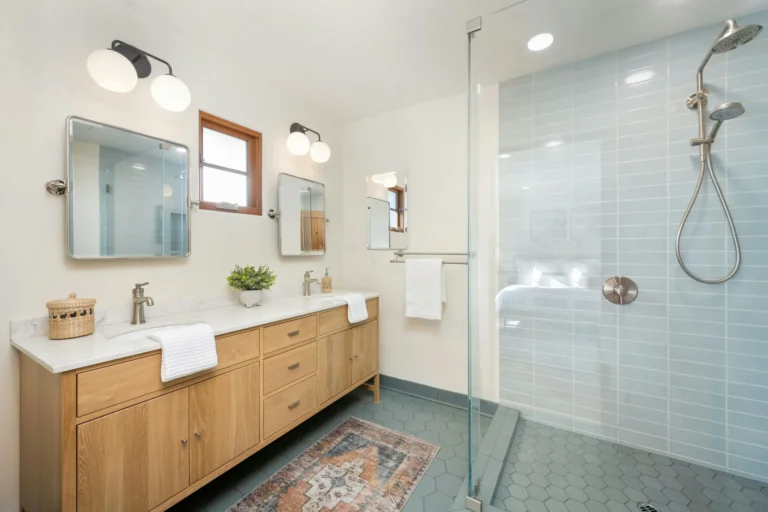
Lighting fixtures are often one of the first design elements homeowners notice when updating a room. A modern pendant light, decorative fixture, or recessed lighting system can change the appearance of a space, but appearance alone should not determine the right choice.
Different fixtures serve different purposes. Pendant lighting can provide focused illumination over areas such as kitchen islands or dining spaces, while recessed and flush-mounted fixtures can provide more consistent general lighting throughout a room. Vanity lighting is another example where placement matters because balanced illumination improves visibility and reduces unwanted shadows.
Interior lighting design principles often focus on combining ambient, task, and accent lighting to create spaces that are both practical and visually comfortable.
The goal is not simply choosing the fixture that looks best in a showroom. It is selecting lighting that fits the room’s purpose and supports how the space will be used.
A successful lighting upgrade is not only about choosing the right fixture. The shape, size, and layout of a room also influence how lighting should be planned.
Long or narrow rooms may require multiple light sources to prevent darker areas, while larger open spaces often benefit from layered lighting that helps define different zones without making the home feel disconnected. Rooms with high ceilings, unusual layouts, or limited natural light may also require a different approach compared to smaller spaces.
Before making lighting decisions, homeowners should consider:
For connected kitchens and living areas, thoughtful lighting placement helps separate different zones while maintaining a cohesive feel. Homeowners considering larger layout changes may also benefit from exploring open-concept remodel ideas when planning how lighting supports shared living spaces.
The best lighting upgrades begin by understanding the room first and selecting fixtures second.
Some lighting improvements are simple fixture replacements, while others require additional planning to achieve the right result. Older homes, outdated electrical components, and rooms with limited lighting options may require a more careful approach.
Professional lighting upgrades may be worth considering when homeowners notice:
For larger upgrades, proper planning can help avoid unnecessary changes later. While commercial projects may use photometric studies to evaluate how light spreads throughout a space, the same principle applies to residential settings—understanding how lighting will function before installation often leads to better long-term results.
One of the most common lighting mistakes is assuming that a brighter fixture will automatically solve a lighting problem. In many homes, the issue is not the amount of light but where that light is placed. A well-planned lighting upgrade considers the room's layout, the activities performed there, and how homeowners use the space every day.
Lighting upgrades are one of the simplest ways to improve how a home feels and functions without requiring a major renovation. The right improvements can make kitchens easier to work in, workspaces more comfortable, and living areas more inviting.
The best results come from looking beyond fixture appearance and considering how each room is used, where light is needed, and how different lighting elements work together. Whether updating a single fixture or improving multiple areas of the home, thoughtful planning helps ensure the upgrade provides lasting value.
If you’re considering lighting upgrades for your home, Handyman Kirk helps homeowners throughout King and Pierce County dark rooms, outdated fixtures, and everyday lighting issues through professional light fixture installation, replacements, and practical home improvements. Request a free estimate to discuss your project and explore the best options for your space.
Learn when door repair is enough and when replacing a sticking door makes more sense.

Drywall damage often starts with small cracks, stains, or nail pops that are easy to overlook. Learn what these warning signs may indicate, when they deserve attention, and how early repairs can help protect your home.
Ceiling fan installation guide for Pierce County homeowners covering room-by-room selection, costs, and comfort tips with a free quote option.
© 2025 All Rights Reserved | Privacy Policy | Handyman Kirk