

Choosing the Right Lighting Upgrades for a More Comfortable Home
Lighting upgrades that improve home comfort, visibility, and everyday functionality.
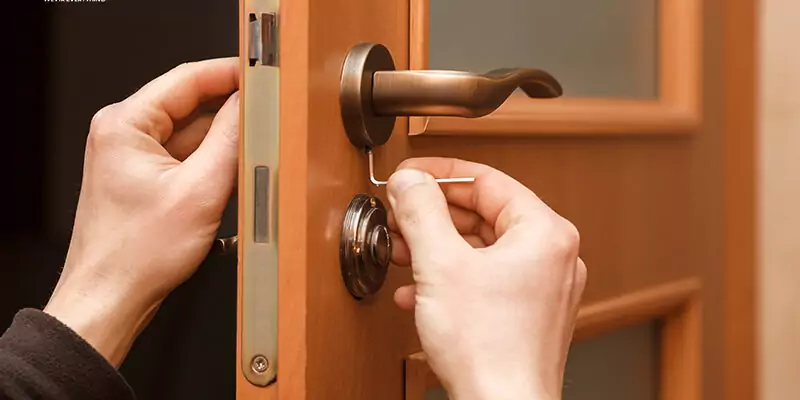
A door that once opened and closed smoothly can become frustrating when it suddenly starts sticking, rubbing against the frame, or refusing to latch properly. Many homeowners notice these problems during warmer months and assume the door needs to be replaced.
However, sticking doors does not always mean a full replacement is necessary. The cause could be something as simple as loose hardware or alignment issues, while other situations may involve more significant damage that requires a different solution.
Understanding what is causing the problem can help homeowners decide whether door repair is enough or if replacing the door makes more sense.
Changes in weather conditions can affect how doors operate, especially during periods of higher humidity. Because wood naturally responds to moisture in its surroundings, it can expand or contract over time, which may affect how a door fits within its frame.
As humidity increases, some doors may become tighter within their frames, causing them to rub, stick, or become harder to close properly. However, seasonal movement is only one possible cause. Issues with hinges, hardware, alignment, or the surrounding frame can also affect how smoothly a door operates.
Before deciding whether a door needs repair or replacement, homeowners should first look at the condition of the door and what may be causing the problem.
Start by observing when and where the issue happens.
A few things homeowners can check include:
These details can help determine whether the issue is related to a minor adjustment or something that requires a larger repair.
In many cases, door repair can restore proper operation when the door itself is still in good condition but certain components are affecting how it functions.
Common repair situations include:
These issues do not always require replacing the entire door. Adjusting hardware, improving alignment, or replacing worn components can often improve performance and extend the life of the existing door.
Replacement may be the better option when the door has damage that cannot be reasonably corrected through smaller repairs.
Signs replacement may be worth considering include:
The goal is not always to repair every issue. Sometimes replacing an older or damaged door provides better long-term value than continuing to address recurring problems.
Replacing an older door can also be part of a broader home improvement plan, particularly when homeowners are looking to improve both the appearance and performance of their home. Home improvement trends involving doors highlight how doors remain an important consideration in residential upgrades.
Addressing small issues early can help homeowners avoid unnecessary wear on doors, hardware, and surrounding components.
Simple steps include:
Homeowners may also notice similar frustrations with garage doors that become difficult to operate, although the repair process is different. Garage door systems rely on components such as tracks, rollers, springs, and openers rather than traditional door hinges and latches, so they require a different type of evaluation.
If sticking doors continue despite basic checks or adjustments, the issue may be related to alignment, hardware, or the overall condition of the door.
If your door is sticking, rubbing, or no longer closing properly, Handyman Kirk helps homeowners throughout Pierce and King County identify the cause and determine whether repair or replacement is the right solution. Our team provides reliable door repair services and practical home improvement solutions designed to improve comfort, functionality, and everyday use. Request a free estimate to discuss your project and find the right approach for your home.
Lighting upgrades that improve home comfort, visibility, and everyday functionality.
Drywall damage often starts with small cracks, stains, or nail pops that are easy to overlook. Learn what these warning signs may indicate, when they deserve attention, and how early repairs can help protect your home.

Ceiling fan installation guide for Pierce County homeowners covering room-by-room selection, costs, and comfort tips with a free quote option.
© 2025 All Rights Reserved | Privacy Policy | Handyman Kirk